


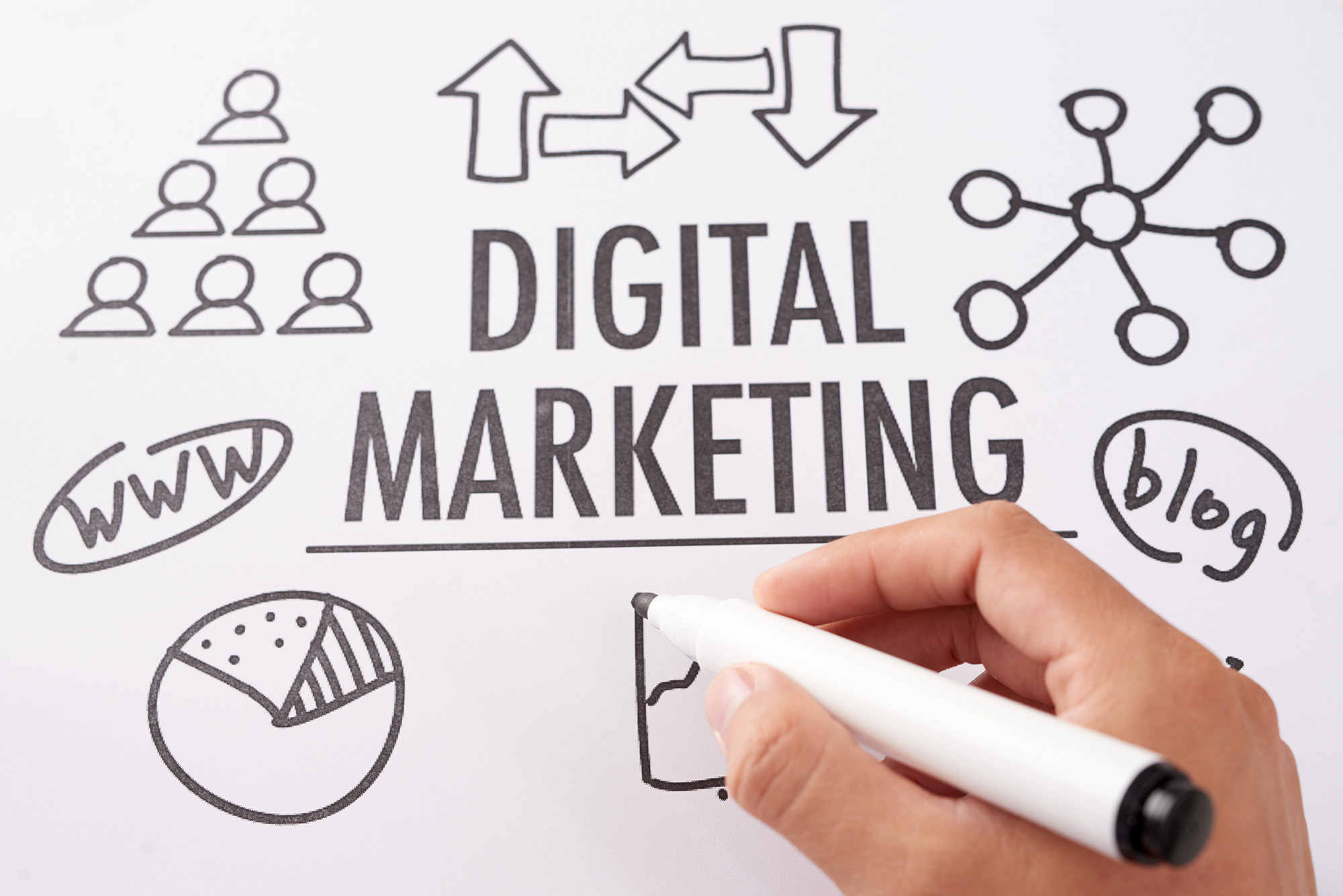
Digital marketing is the full set of strategies a business uses to promote itself through digital channels: SEO, Google Ads, social media, email, content, video and AI marketing. Today, more than 87% of buyers start their research online, and Google holds roughly 92% of the Greek search market, which makes digital marketing an essential tool for every business.
A business owner in Greece today has 12+ different channels for digital promotion, with costs ranging from €300/month for basic SEO to €5,000+/month for a complete omnichannel strategy. The ROI of some channels is impressive: email marketing returns up to €36 for every €1 invested (DMA), while content marketing generates 3x more leads than outbound at 62% lower cost (HubSpot).
In this detailed guide you will learn what digital marketing is, its 12 main types, how much it costs in Greece in 2026, which tools you need for each channel, how AI marketing and GEO are changing the game, plus a glossary of 25 terms you will come across along the way. WebMate has run campaigns for more than 1,000 Greek businesses, and this guide is based on our real-world experience.
Digital marketing article contents
What is digital marketing?
Digital marketing is the use of digital channels and technologies to promote products or services. It covers a range of strategies and tactics designed to increase brand awareness, attract customers and grow sales.
Using tools such as social media, SEO and advertising, businesses try to match their products or services with the target customers who need or want them.
Measuring and analysing results is crucial to the success of digital marketing. Tools such as Google Analytics 4 help professionals understand user behaviour and improve their strategies. In today’s digital world, digital marketing is an integral part of business growth and success.
What are its goals and aims?
The main goal of online marketing is to build strong relationships with customers by offering high value through the company’s products. This value needs to be higher than that of competing products, which is how a competitive advantage is achieved. By offering this higher value, you earn customer “loyalty”, which ultimately leads to repeat sales of the business’s products or services. Only repeat sales can make an online business, or any business, profitable.
The 12 main types of digital marketing compared
Below is a summary table of the 12 main digital marketing channels, with typical costs in the Greek market, how long they take to deliver, and the type of business each one suits:
| Channel | Typical cost (€/month) | Time to results | Ideal for |
|---|---|---|---|
| SEO (organic promotion) | 300–2,000€ | 4–8 months | Long-term traffic, B2B, content businesses |
| Google Ads (Search PPC) | 500–10,000€+ | Immediate (same day) | Lead generation, e-shops, services |
| Meta Ads (Facebook/Instagram) | 300–8,000€+ | 1–4 weeks | Brand awareness, eshops, B2C |
| TikTok Ads | 500–5,000€+ | 1–4 weeks | New brands, Gen Z, viral content |
| LinkedIn Ads | 800–10,000€+ | 2–8 weeks | B2B, recruitment, high-value services |
| Content Marketing | 400–3,000€ | 3–9 months | SEO, authority, lead nurturing |
| Email Marketing | 50–800€ | 1–8 weeks | Existing customers, eshops, B2B nurture |
| Video Marketing | 500–5,000€/video | 1–6 months | Brand storytelling, educational content |
| Influencer Marketing | 100–10,000€/post | Immediate | Lifestyle brands, beauty, fashion, food |
| Affiliate Marketing | 5–25% commission | 1–3 months | Eshops, SaaS, online courses |
| AI Marketing / GEO | 300–2,000€ | 2–6 months | Brands that want visibility in ChatGPT/Perplexity |
| Marketing Automation / CRM | 50–800€ (tools) + setup | 2–8 weeks | B2B, e-shops with 500+ customers, SaaS |
Prices are indicative for the Greek market (2026) and depend on the industry, the competition and your goals
How much does digital marketing cost in Greece in 2026?
The total monthly cost of digital marketing depends on the size of the business, the competition in your sector and your goals. Below are indicative budgets for 3 types of business:
| Cost (€/month) | Small business / start-up | Medium-sized business | Established Brand |
|---|---|---|---|
| SEO | 300–600€ | 700–1,500€ | 1,500–4,000€ |
| Google Ads (budget + management) | 500–1,500€ | 1,500–5,000€ | 5,000–25,000€+ |
| Meta Ads (FB/IG) | 300–800€ | 1,000–3,000€ | 3,000–15,000€+ |
| Content Marketing | 200–500€ | 500–1,500€ | 1,500–5,000€ |
| Email Marketing | 50–200€ | 200–500€ | 500–2,000€ |
| Social Media Management | 200–500€ | 500–1,500€ | 1,500–5,000€ |
| Analytics & Reporting | 0–150€ | 150–400€ | 400–1,500€ |
| Total monthly budget | ~1,500–4,000€ | ~5,000–13,000€ | ~15,000–60,000€+ |
WebMate note: The ROI of digital marketing is measured over 6–12 months; a few weeks is too short a window. PPC campaigns deliver immediately, while SEO, content and organic presence need time to bring compounding traffic.
SEO: website promotion
SEO, or search engine optimisation of a website or e-shop, is one of the most crucial types of digital marketing. It covers the techniques and strategies used to improve a website’s visibility in the organic results of search engines. Through SEO, businesses can increase traffic to their website by attracting a targeted audience that is looking for their products or services.
Done properly, search engine optimisation can significantly raise awareness and help promote products and services. For more details and an in-depth understanding of SEO, we also have a full article that looks closely at what it is and how to apply it effectively.
Bear in mind that website promotion brings new customers organically, but those visitors need to be monetised. You need some way to persuade your visitors to contact you or buy your products. This is done through calls to action within your content, or by remarketing to people who visited your website.
Content Marketing
Content marketing is a strategic approach focused on creating and distributing valuable, relevant and consistent content to attract and keep a clearly defined audience, and in turn drive profitable customer action. Instead of promoting products or services directly, content marketing offers the information and solutions customers are looking for, building a relationship of trust and credibility.
Content can include articles, videos, social media posts, infographics and much more. Used well, content marketing can increase brand awareness, build trust and lead to more sales.
Video Marketing

Video marketing is a dynamic advertising strategy that uses video to promote products or services. Within digital marketing, video strengthens visual communication and creates opportunities for more engagement with your audience. Through platforms such as YouTube, TikTok, Facebook and Instagram, businesses can reach wider audiences with creative, appealing videos.
Video marketing stands out in digital marketing because it can get complex messages across in a simple, effective way. It helps raise brand awareness and increase website traffic. Video also offers the chance for storytelling, creating emotional connections with your audience that can build trust and loyalty.
Its big advantage is that it delivers measurable results, so businesses can assess how their campaigns perform and adjust their strategies for better results. Today it is certainly one of the top 3 forms of marketing that every business should be using.
Here are some examples of video marketing
Social media marketing: Facebook, Instagram, TikTok, LinkedIn and more
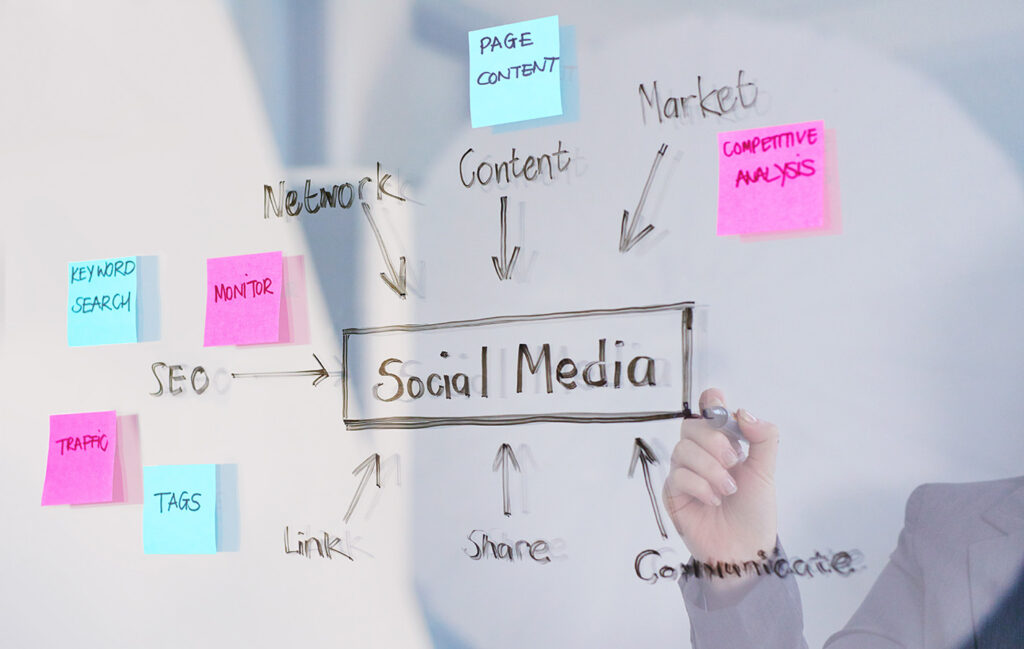
Social media is an integral part of digital marketing, allowing direct communication with your audience and building relationships of trust. Through platforms such as Facebook, Instagram, TikTok and X (formerly Twitter), businesses can promote their products and services, increase brand awareness and strengthen engagement with customers. Social networks offer targeted advertising and analytics data, making it easier to adapt your promotion strategies to the needs of the market. With the right strategy, businesses can achieve a higher return on investment and strengthen their position online through social media.
Google Ads
Google Ads is a powerful tool that lets businesses show their ads to targeted audiences through Google’s platform. With the right strategies, ads can appear at the top of the search results, increasing a website’s visibility and traffic.
This is done by choosing the right keywords and optimising ads for better performance. Google Ads provides immediate performance metrics, helping businesses adjust their campaigns for maximum effectiveness.
Affiliate Marketing
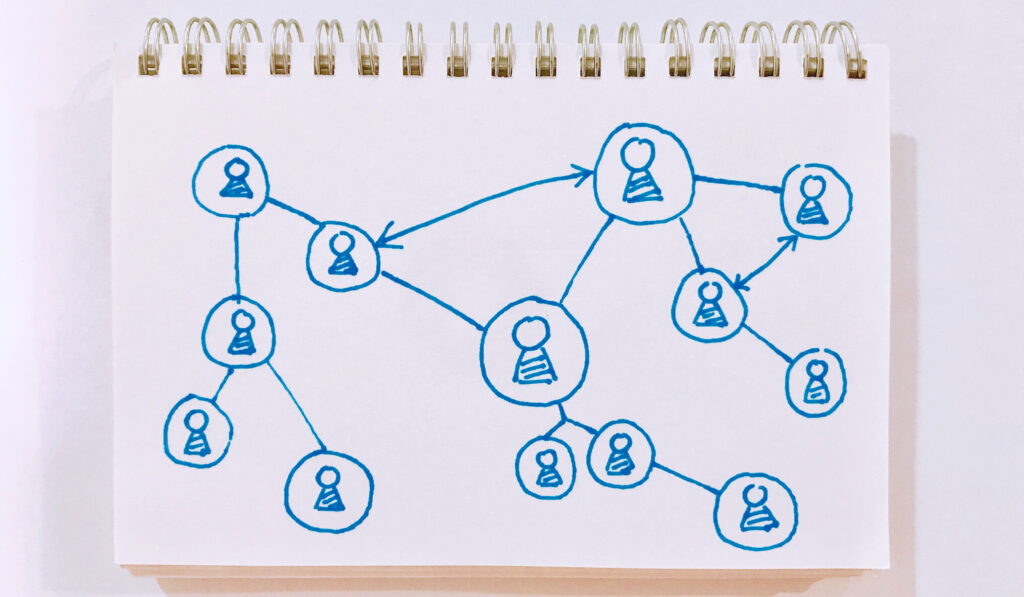
Affiliate marketing is a promotion strategy in which companies work with partners (affiliates) to promote their products or services. Affiliates earn a commission for every sale or action made through the special links they share. This method is especially popular because it lets businesses extend their reach without large advertising investments. Affiliates can be bloggers, influencers or even ordinary internet users who want to earn extra income. Affiliate marketing is ideal for anyone who wants to grow their business online by making use of existing resources and networks.
Email Marketing
Email marketing is one of the most effective tools businesses have for communicating directly with their audience. It is the process of sending targeted messages by email to a list of subscribers who have shown interest in a business’s products or services. This channel lets you personalise your messages, improving campaign performance.
To succeed with email marketing, you need to understand your audience, fit it into a marketing plan and create content that sparks their interest. A strong call to action (CTA) and sending at regular intervals can lead to higher open and click rates.
The importance of email marketing for businesses is beyond doubt. It is a cost-effective way to raise brand awareness, increase sales and build long-term relationships with customers. With the right strategy, it can become one of the most profitable pillars of a business’s digital strategy.
Email marketing automation
Email marketing automation is an efficient way to save time and improve your promotional campaigns. With automation tools, you can send personalised messages to your customers, increasing engagement and loyalty. This strategy lets you focus on other important parts of your business while the automated systems do the work for you.
PR Marketing

PR marketing is the art of communicating and building relationships between a business and its public. Its aim is to create a positive image of the business and increase its recognition. Using communication strategies such as press releases, events and partnerships with the media, it helps businesses achieve their goals. It is extremely important because it allows businesses to stand out from the competition, build trust with their customers and deal effectively with crises and negative publicity. In other words, PR is the key to a successful corporate image and long-term growth.
Inbound Marketing

Inbound marketing is a strategy that focuses on attracting customers through content and experiences that are relevant and useful to them. Instead of interrupting people with traditional advertising, inbound marketing creates value, reaching the audience with information and solutions that meet their needs. It matters for businesses because it raises brand awareness, builds trust with customers and leads to more conversions and sales. With modern tools and techniques, businesses can earn long-term loyalty from their customers. Today’s marketing specialists invest heavily in the relationship between customers and the business as part of their digital marketing strategy.
Influencer Marketing

Influencer marketing is a strategy that has grown rapidly in recent years. It is a form of marketing that uses the influence of people with a significant presence on social networks to promote products and services. It is especially important for businesses because it offers authenticity and a direct connection with the target audience.
Through their credibility, influencers can shape their followers’ buying decisions, which makes influencer marketing a powerful tool for raising awareness and sales. Businesses that choose this strategy can reach new markets and strengthen their relationship with consumers. Videos from creators can also be used in social media ad campaigns, and they are one of the most powerful tools a digital marketer has.
Guerilla Marketing

Guerrilla marketing is a creative, unconventional approach that aims to grab the public’s attention. It usually involves original, unexpected actions that break away from traditional advertising methods. Although this strategy is not very common in Greece, it can bring significant benefits to businesses, especially those looking for ways to stand out in a world overloaded with information.
The success of this method depends on its ability to stir strong emotions and create memorable experiences for the audience. It can include public events, clever installations or even viral videos that spread by word of mouth or through social networks.
For businesses, adopting this strategy can be an effective way to raise brand awareness and build a stronger connection with their audience. Even though it is not widely used in Greece, it can be an excellent way to stand out and win consumers’ trust.
Growth Marketing
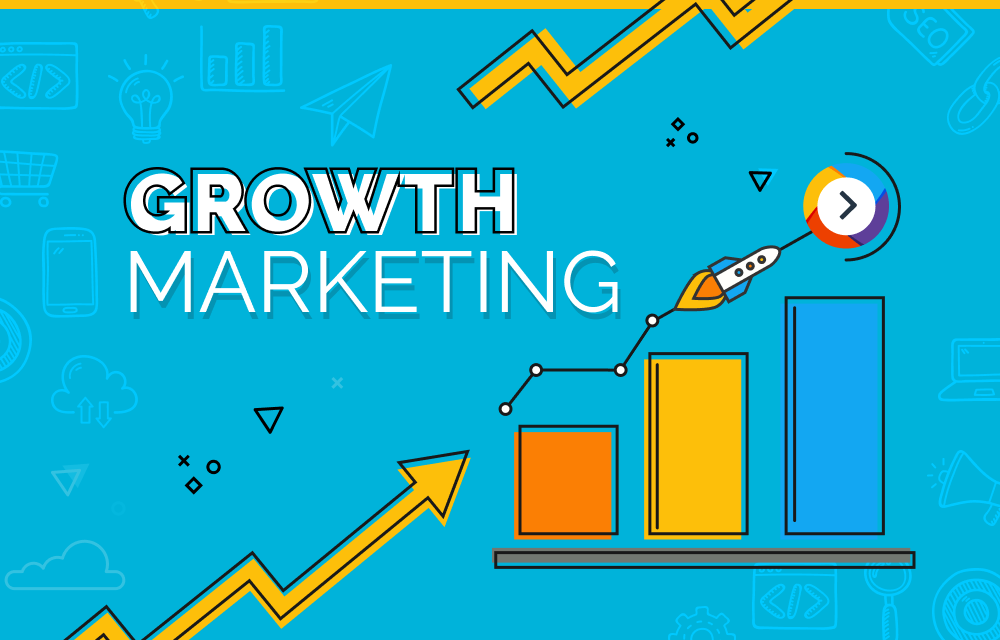
Growth marketing is a strategy that aims to grow a company through innovative, flexible methods, focusing mainly on continuous improvement and adaptation. Instead of relying on big advertising campaigns, it uses customer data and market analysis to spot opportunities and take targeted action.
Its importance for businesses is huge, as it helps create loyal customers and raise brand awareness. It offers tailored solutions, allowing businesses to adapt quickly to changes in the market. In the current business environment, it is a crucial tool for sustainable growth and a competitive advantage.
Multi-channel and omnichannel
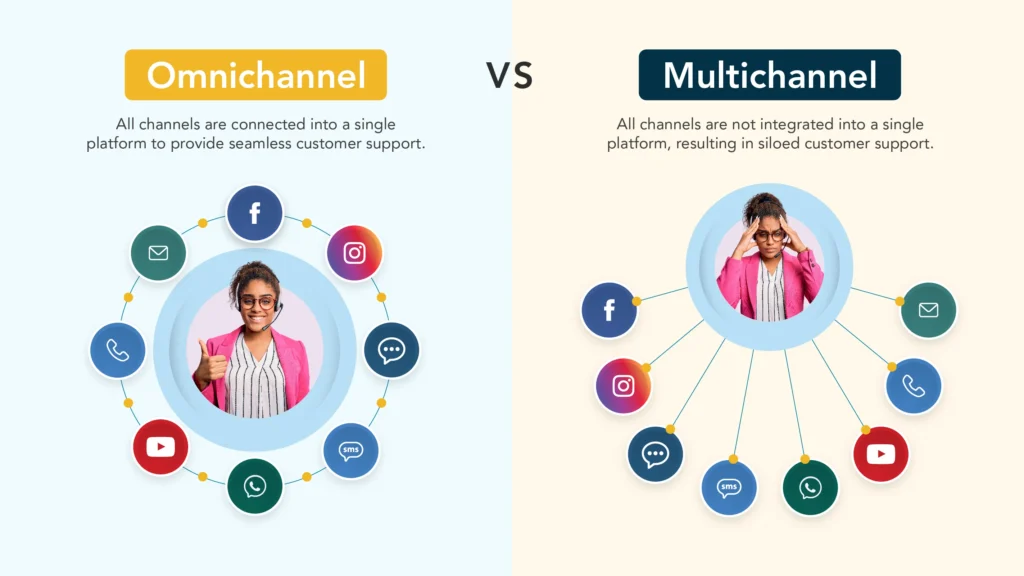
Multi-channel and omnichannel digital marketing are two strategies used to improve the customer experience and increase sales, but they differ in their approach and how they are applied.
Multi-Channel Marketing
Multi-channel digital marketing focuses on using multiple channels to promote products or services. Each channel works independently, offering customers different ways to interact with the business, such as websites, social media, shops and call centres. The main emphasis is on maximising the business’s presence across as many channels as possible, so customers can choose the channel they prefer.
Omni-Channel Marketing
Omnichannel digital marketing, on the other hand, aims to create a single, consistent customer experience across all channels. Here, the emphasis is on connecting the channels and keeping them consistent, so customers have a smooth experience however they choose to interact with the business. For example, a customer can start a purchase on their phone, continue on their computer and complete the order in the physical shop, without interruptions or gaps.
Differences between the two
The main difference between the two strategies lies in how the channels are connected. In multi-channel, the channels work independently, while in omnichannel all channels are connected for a consistent customer experience. Omnichannel requires more integration and coordination, but it can offer a more complete and satisfying experience for the customer.
What does a digital marketer do?
A digital marketer is the internet wizard who turns the challenges of the digital age into opportunities for businesses. With a good knowledge of digital advertising tools such as Meta Ads and Google Ads, they develop strategies aimed at increasing traffic and sales. And it doesn’t stop there! They create content that draws people in, while also making sure websites run smoothly and quickly.
They also analyse data to understand consumer preferences and adjust their strategies. They use SEO tools to optimise websites, making sure businesses appear in the top positions of the search results. Their work also includes managing social media, keeping the business’s relationship with its audience active through interactive, interesting content.
Finally, a digital marketer always keeps up with new trends and technologies and constantly works to improve their skills. They are the link between technology and marketing, offering solutions that drive the growth and success of businesses online. In this way, they build a dynamic online presence that strengthens the business’s brand awareness and reputation.
Digital marketer specialisms

- SEO Manager (works to achieve high rankings in Google’s results, follows algorithm changes and adapts the SEO strategy to improve organic traffic).
- Content Marketing Specialist (an expert in creating digital content, develops content strategies that inspire and educate the audience, and makes sure the content is consistent and in line with the brand identity).
- Social Media Manager (manages social media and schedules posts with written and visual content. Usually works with the Content Marketing Specialist to create campaigns that increase engagement and brand awareness, while following social media trends and analytics).
- Marketing Automation Coordinator (chooses and manages the software used to understand customer behaviour and measure the business’s growth rate. Creates automated campaigns that improve marketing performance and provides insights for optimising the customer experience).
What stage a company has reached in digital marketing
Knowing what stage a company has reached in digital marketing is crucial for its growth and success. Here are some steps a business owner can follow to assess where their company stands:
1. Assess your online presence
Check your existing online presence. This includes your website, social media and any online listings. Look at the quality of the content and the usability and speed of your website.
2. Analyse your content strategy
Assess your content strategy. Do you have a blog, or do you create content that attracts your audience? Is your content SEO-friendly and relevant to your customers’ needs?
3. Assess your SEO
Run an SEO audit to find any problems and opportunities for improvement. This includes analysing your keywords, your backlinks and your rankings in search engines.
4. Analyse your ad campaigns
Analyse your current ad campaigns on platforms such as Google Ads and Meta Ads. Look at their performance and ROI (return on investment) to understand how effective they are.
5. Assess your social media
Look at your social media presence. How actively do you engage with your audience? What are the trends in engagement and interactions?
6. Review your analytics data
Use tools such as Google Analytics 4 to analyse your website’s traffic, where your visitors come from and how they behave.
7. Assess your CRM and email marketing
Check your CRM and email marketing strategy. Are you keeping up effective communication with your customers? What are your open rates and the response to your email campaigns?
If you follow these steps, you will get a clearer picture of the stage your company has reached and be able to make decisions to improve and grow it.
Digital marketing courses and MSc programmes
Digital marketing courses in Greece are an excellent way to start your journey into the magical world of digital advertising. With the field moving at a dizzying pace, it is important to understand that this is only the beginning. Success in digital marketing depends on adaptability and continuous learning.
Well-known courses and training programmes include those of:
- Web-Net
- Knowcrunch
- Athens University of Economics and Business
- the University of Patras
and of course many others.
The techniques and tools you learn on a course are only the foundation. The real challenge starts when it is time to put that knowledge into practice. Experiments and testing are the key to finding out what works best for your audience. Don’t be afraid to make mistakes, as they will lead you to important conclusions and improvements.
Continuous learning is essential if you want to stay ahead of the competition and build a fantastic career in digital marketing. Keep up with new trends and developments, attend webinars and workshops, and make time to network with other professionals in the field. Digital marketing is full of opportunities for anyone willing to keep learning and growing.
AI Marketing & Generative Engine Optimization (GEO): The New Game in Digital Marketing
AI marketing and GEO (Generative Engine Optimization) are the biggest development in digital marketing since the arrival of SEO. Today, more than 18% of Google searches show AI Overviews (Search Engine Land, 2025), and ChatGPT has around 80% market share among AI search engines (OneLittleWeb).
What is GEO?
Generative Engine Optimization is the optimisation of your content so that AI tools such as ChatGPT, Perplexity, Gemini and Claude cite it when users ask questions about your brand or your sector. Traditional SEO targets rankings; GEO targets citations.
Why does it matter?
- 60–80% of the URLs cited by ChatGPT do not appear on Google’s first page (Ahrefs, 2025): AI plays by its own rules.
- Users ask AI directly what to buy, which tools to use and which professional to trust.
- If your brand is not mentioned in AI answers, you lose customers before they even reach Google.
How is GEO done?
- Answer-first content: direct answers in the first 2 sentences of every page
- Tables & structured data: AI extracts tabular content easily
- References to reliable sources: statistics, studies, expert opinions
- Presence on Reddit & forums: Reddit is ChatGPT’s #2 source after Wikipedia
- Tracking with tools: AIclicks and Otterly.ai to monitor brand mentions in AI
- Schema markup: FAQ schema, Article schema and HowTo schema help AI understand the structure
At WebMate we specialise in GEO and help Greek businesses appear in the answers of ChatGPT, Perplexity and Google AI Overviews. If you want to find out how your brand can become visible in AI answers, see our digital marketing services or get in touch with us.
The best digital marketing tools in 2026
The right choice of tools makes a dramatic difference to the effectiveness of every campaign. Below are the top tools for each channel, with free and paid options:
| Channel | Free / Freemium | Premium |
|---|---|---|
| SEO | Google Search Console, Bing Webmaster, Ubersuggest | Ahrefs, SEMrush, Screaming Frog |
| Analytics | Google Analytics 4 (GA4), Microsoft Clarity | Mixpanel, Amplitude, Hotjar |
| Email Marketing | Mailchimp (free tier), Brevo, MailerLite | Klaviyo, ActiveCampaign, HubSpot |
| Social Media | Meta Business Suite, Buffer (free) | Hootsuite, Sprout Social, Later |
| Content / Copywriting | Google Docs, Grammarly, AnswerThePublic | Surfer SEO, Frase, Jasper |
| Design / Video | Canva (free), CapCut, GIMP | Adobe Creative Suite, Figma, Descript |
| Marketing Automation | HubSpot CRM (free), Zapier (free) | HubSpot Pro, Salesforce, Make.com |
| AI Marketing / GEO | ChatGPT, Perplexity, Claude (free) | AIclicks, Surfer AI, Otterly.ai |
| Keyword Research | Google Keyword Planner, Keywords Everywhere | Ahrefs, SEMrush, Mangools |
| Heatmaps / UX | Microsoft Clarity (free), Hotjar (free tier) | Hotjar Pro, Crazy Egg, FullStory |
How long before I see results from digital marketing?

Results from digital marketing can show within a few weeks to a few months, depending on the strategy and goals. PPC campaigns can bring immediate results, while SEO and content need more time to pay off. Ongoing analysis and adjustment are essential for the best results.
Is digital marketing right for every business?
Digital marketing suits every business, as it adapts easily to the needs and goals of each sector. With the right strategy, it can raise awareness, reach new customers and boost sales, whatever the size or type of the business.
How much does digital marketing cost?
The cost of digital marketing depends on several factors, such as the range of services, the strategy and the size of the business. Prices usually start from a few hundred euros a month, but they can rise depending on the requirements and goals of the campaign.
What is the difference between SEO and Google Ads?
SEO is organic promotion with no pay-per-click cost: results in 4–8 months, with compounding growth. Google Ads is paid advertising with immediate results from day one, but it stops as soon as the budget stops. The ideal strategy combines both: Google Ads for immediate leads + SEO for long-term traffic.
Is digital marketing suitable for small businesses?
Yes, digital marketing is ideal for small businesses. With a budget of €300–1,500/month, a small business can start with local SEO, Google Ads for specific searches and Meta Ads for awareness. Digital marketing offers the most measurable, targeted marketing for small budgets.
Digital marketing in-house or with an agency?
For a budget under €3,000/month, working with an agency is usually more cost-effective. For a budget over €10,000/month, an in-house team may pay off. Often the ideal mix is hybrid: an in-house manager + an agency for specialist channels (PPC, SEO, AI marketing).
How do I measure the ROI of digital marketing?
ROI is calculated with the formula: (Profit − Cost) / Cost × 100. In digital marketing you track: ROAS (return per advertising channel), CAC (customer acquisition cost), LTV (customer lifetime value) and conversion rate. Tools such as Google Analytics 4, Google Tag Manager and CRMs (HubSpot, Salesforce) give you full tracking.
What are AI marketing and GEO?
AI marketing uses artificial intelligence for campaign optimisation, content creation and personalisation. GEO (Generative Engine Optimization) is the new form of SEO for AI tools such as ChatGPT, Perplexity and Gemini. Today, 18% of Google searches show AI Overviews, and users ask AI directly. If your brand is not visible in AI answers, you lose customers before they reach Google.
What are the best free digital marketing tools?
The top free tools for each channel: SEO: Google Search Console, Microsoft Clarity. Analytics: Google Analytics 4. Email: Mailchimp/Brevo (free tier). Social: Meta Business Suite, Buffer free. Design: Canva. AI: ChatGPT, Perplexity. Heatmaps: Microsoft Clarity. Start with free tools and upgrade to premium as your traffic grows.
Digital Marketing Glossary: 25 Terms You Need to Know
In the world of digital marketing you will come across dozens of acronyms. Here are the 25 most essential terms and what they mean:
| Acronym | Full term | What it means |
|---|---|---|
| SEO | Search Engine Optimization | Optimising for search engines |
| SEM | Search Engine Marketing | Paid advertising on search engines |
| PPC | Pay-Per-Click | Advertising charged per click |
| CPC | Cost Per Click | Cost per click |
| CPM | Cost Per Mille | Cost per 1,000 impressions |
| CPL | Cost Per Lead | Cost per potential customer |
| CTR | Click-Through Rate | Clicks as a percentage of impressions |
| ROAS | Return on Ad Spend | Return on advertising budget |
| ROI | Return on Investment | Overall return on investment |
| CAC | Customer Acquisition Cost | Cost of acquiring a customer |
| LTV | Lifetime Value | Total value of a customer |
| CRO | Conversion Rate Optimization | Optimising the conversion rate |
| KPI | Key Performance Indicator | Performance indicator |
| SERP | Search Engine Results Page | Search results page |
| UGC | User Generated Content | Content created by users |
| USP | Unique Selling Proposition | Unique selling point |
| CTA | Call To Action | Prompt to take action |
| CMS | Content Management System | Content management system |
| CRM | Customer Relationship Management | Customer relationship management |
| GA4 | Google Analytics 4 | Google’s analytics platform |
| GTM | Google Tag Manager | Tag manager for analytics |
| TOFU/MOFU/BOFU | Top/Middle/Bottom of Funnel | Stages of the buying funnel |
| Bounce Rate | — | Share of visitors who leave a page immediately |
| GEO | Generative Engine Optimization | Optimising for AI search |
| A/B Test | — | Comparing two versions to see which works better |



Leave a comment