


Contents: ChatGPT and SEO
SEO (Search Engine Optimisation) is a vital factor in getting a website seen and found in search engines. One important development in SEO is the use of ChatGPT, an advanced artificial intelligence system that can help optimise content for entities.
What Is ChatGPT
ChatGPT is an advanced artificial intelligence system developed by OpenAI. It is based on a transformer architecture and can understand and produce human language. With ChatGPT’s help, writers can create content that is closely matched to Google’s ranking criteria.
How ChatGPT Relates to SEO
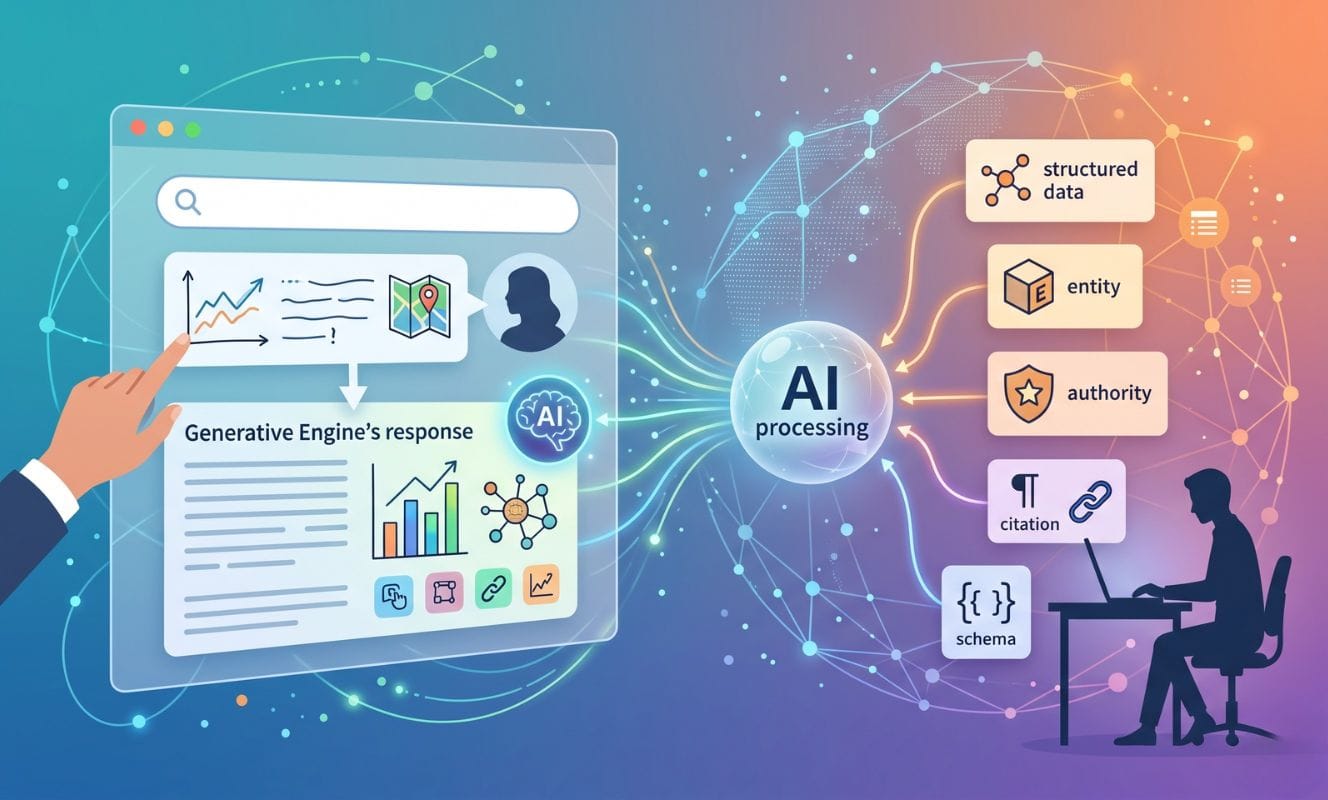
ChatGPT’s relevance to SEO lies in its ability to recognise and identify the entities that matter for a particular topic. Entities are the subjects discussed on a page, together with the statements made about them. By understanding entities, ChatGPT can bring content together and tailor it to the matching user searches.
The Challenges and Limits of ChatGPT in SEO
Although ChatGPT is an extremely useful tool for optimising content for entities, there are some challenges and limits to keep in mind. Since ChatGPT relies on recognising entities in text, bear in mind that this model has its own particular parameters and limitations. Also, ChatGPT’s decisions are based on the information it is given, which means it needs careful preparation and a thoughtful approach when you use it.
In short, ChatGPT can work well alongside SEO to optimise your content. As it keeps evolving, ChatGPT can become a powerful tool for improving your website’s position in search results and increasing your online visibility. With the right preparation and an understanding of the challenges, you can make the most of this modern technology to reach your SEO goals.
Optimising Content with ChatGPT
ChatGPT is emerging as one of the leading tools that can help optimise content for greater visibility in search engines. By extracting entities, analysing SERP results and creating topically relevant content, ChatGPT can strengthen your SEO efforts. Let’s see how it can help you.
How ChatGPT Helps Create SEO-Optimised Content
ChatGPT can take over much of the manual effort and help you create content that is optimised for SEO requirements. By extracting entities and analysing the relevant SERP results, you can take a strategic approach that will guide you to get the most out of these tools. Optimising your content with entities will help you create content that matches more closely the criteria Google uses to rank it.
Analysing Results with ChatGPT
ChatGPT is a technology that can help you optimise your content for SEO. With ChatGPT you can extract entities, analyse search results and create content that is relevant to your topic.
Examples of ChatGPT’s Performance in SEO
Some examples of how ChatGPT can help you with SEO are recognising the entities in a text and matching them to specific searches. It can also help you create content based on the entities relevant to your topic, improving your reach in search engines.

Tips for Optimising Content
To optimise your content using ChatGPT, you can follow a few tips:
- Identify the important entities in your text and build content around them.
- Choose keywords related to these entities and use them in your content.
- Prioritise the entities most relevant to your topic and use them more often in your content.
- Avoid overusing product or service names, as this can harm the quality of your content.
Automatic Content Creation with ChatGPT
One of the advantages of ChatGPT is its ability to create content automatically. You can use this technology to create content on your topic, taking into account the entities relevant to it.
Practical Examples of Using ChatGPT for SEO
For example, you can use ChatGPT to identify the entities relevant to your topic and use them to understand search results better. You can also create new content based on those entities, adding value and relevant content to your website.
Limitations and Problems That May Arise
Like any technology, ChatGPT has some limitations and problems. Automated generation can produce content that is not always accurate or suitable for your topic. In addition, the entities ChatGPT identifies may not always be accurate or fully understood.
Suggested Strategies for Avoiding Problems
To avoid problems that may arise when using ChatGPT, it is a good idea to check the generated content and edit the text so that it is accurate and relevant to your topic. You can also use ChatGPT as a tool for developing ideas and creating first drafts, always combined with human editing and checking.
Using SERP Analysis Tools
Optimising your website for Google’s search results is key to the success of your SEO. In this section we will see how ChatGPT can help you optimise for search engine results pages (SERPs).
How to Analyse SERP Results for Optimisation
To optimise your website for search results, you need to understand the results that appear on Google’s search engine results pages (SERPs) for the relevant keywords. You can use SERP analysis tools to examine the make-up of the results, the types of websites and your competition. This gives you a good idea of which services or products your competitors offer, how they present them and which keywords they use. This information can help you optimise your own website to outrank your competitors and appear on the first page of search results.
When you analyse SERP results, look at the information shown for each website. This can include the page title, the date shown for the result, the page description and the categories it belongs to. Look for patterns, common elements and different variations of your keywords. This information can show you how your competitors approach search and inspire you to develop content that stands out.
With ChatGPT’s help, you can also analyse the structure and tone of the top SERP results to understand the best practices your competitors follow. Analyse the key phrases, paragraphs and headings they use and how they structure their content. This information can help you understand how to structure your own content so it is as easy to find as possible.
In the next section, we will focus on how ChatGPT can improve your analysis of SERP results, with practical tips and examples to help you optimise your content.
Using Keywords for Optimisation
Using keywords is an important part of search engine optimisation (SEO). Keywords are the words or phrases a user types into a search engine to find specific information.
Adding and Using Important Keywords in Your Content
To optimise your content, it is important to add and use important keywords. You do this through keyword research, where you identify the keywords that relate to your topic and matter to users.
A good practice is to include your keywords in the article title, the first paragraph and various parts of the text. However, it is important to stay natural and not overuse them. The goal is to offer quality content that serves your readers and is easy for search engines to read.
Also note that search engines are constantly evolving and changing their algorithms, so it is important to stay up to date with developments in SEO.
Overall, using keywords is an important part of search engine optimisation and can help you improve the visibility of your content in searches. However, it is important to follow the guidelines on keyword use and to keep researching developments in SEO.

The Impact of the Human Factor
In SEO, the human factor plays an important role in successful website optimisation. Human input when analysing and evaluating the results produced by ChatGPT can lead to better final choices and adjustments.
Why Human Input Matters for Successful Optimisation
Although ChatGPT is a very valuable tool, human input allows a more rounded analysis and evaluation of the results. People can assess the quality of the content, its coherence and how well the suggested entities have been worked into the overall SEO strategy.
Comparing Results: Humans vs ChatGPT
A comparison between human input and the use of ChatGPT can reveal the differences and advantages of each approach. People can have a deeper understanding of the content and the SEO strategy, while ChatGPT can analyse large volumes of data quickly and efficiently.
A table can help compare these two approaches:
| Approach | Human Input | ChatGPT |
|---|---|---|
| Content analysis | Broad, in-depth understanding | Analysis of large volumes of data |
| SEO strategy | Precise and specialised | Automatic, fast analysis |
| Entity integration | Manual selection and implementation | Suggested entities, generated automatically |
By studying both approaches, you can find the best combination to help you reach your SEO goals. It is important to adapt your tactics to the needs and specifics of each project.

Final Steps: Going Further
By using ChatGPT and the technique of entity optimisation, we can significantly improve SEO performance. But there are still some final steps we can take to make sure we are using ChatGPT to its full potential.
How to Improve Performance Even Further with AI
There are various ways we can improve our results even further with ChatGPT. Some tips include:
More checks: We can get ChatGPT to adapt even more closely to our needs through extra verification and interaction. This can help us get more accurate and more specific results.
Performance monitoring: It is important to monitor how ChatGPT performs and make the necessary adjustments for better results. With proper monitoring and feedback, we can adjust the system to perform better.
Additional data: Using extra data and sources of information can boost ChatGPT’s performance. This can include using additional data sources, such as databases, websites or previous answers.
Continuous training: We can keep training the ChatGPT model to give even better answers and improve its performance. This can be done through repeated training and fine-tuning.
With these tips and practices, we can make full use of what ChatGPT can do to improve SEO and get even better results.
Conclusions
ChatGPT is a tool that can help you optimise your content for SEO. With its ability to extract entities and analyse SERP results, you can create content that is relevant to the topic your website covers. However, it is important to keep ChatGPT’s limits in mind and use it with care. Also, optimising your content for SEO requires analysing Google’s top results and comparing them with your own content.
The Benefits and Limits of ChatGPT in SEO
ChatGPT can help you optimise your content for SEO in the following cases:
Entity extraction: ChatGPT can extract entities from your content, such as product names, places or people. This can help you include important keywords in your content and make your website easier for search engines to recognise.
SERP analysis: With ChatGPT, you can analyse the SERP results for a specific search query. This can help you understand which results are at the top and how you can use them to optimise your own content.
However, it is important to know that ChatGPT has its limits. It cannot replace a proper analysis of Google’s top results and a comparison of them with your own website. Nor can it know Google’s algorithms in detail or offer guaranteed results. So it is important to use ChatGPT with care and judgement.
Overall, ChatGPT can help you with SEO, but you need to use it with careful judgement and combine it with other SEO techniques and tools to get the best results.
Frequently Asked Questions
1. How can ChatGPT help you with SEO?
ChatGPT can be used to optimise your SEO content. It can help you extract entities, analyse SERP results and create relevant content that ranks better.
2. What is the relationship between SEO and ChatGPT?
Both SEO and ChatGPT focus on recognising entities and the statements connected with them. Both can recognise the relationships between different words in a sentence, which is crucial for understanding language.
3. How can we extract entities and analyse SERP results with ChatGPT?
To extract entities and analyse SERP results with ChatGPT, you can use tools that automate the process. These tools use artificial intelligence and natural language processing to identify entities and the statements that go with them. This can help you understand what SEO requires and improve your content accordingly.
4. How can we optimise our content based on entities?
To optimise your content based on entities, you can extract the entities from the top 10 websites appearing in Google’s results and include them in your content. This can make your content more relevant to what users are searching for and improve your rankings.
5. Why does the relationship between entities and the SERP matter?
The relationship between entities and the SERP matters for SEO, because Google uses entities to understand a website’s content and match it to users’ searches. Understanding the relationships between entities can help you create content that is more relevant to search results and improve your SEO rankings.



Leave a comment