


Simply put, email marketing is one of the most cost-effective digital marketing channels, with an average ROI of €36-42 for every €1 invested (Data & Marketing Association, 2024). Despite the boom in social media and AI, email remains the #1 direct marketing channel, with 4.5+ billion active users worldwide and open rates reaching 42% for B2B and 25% for B2C (Mailchimp Benchmarks 2025).
A proper email marketing setup includes 6 key elements: a recipient list (opt-in, GDPR compliant), technical authentication (SPF, DKIM, DMARC for deliverability), platform choice (Mailchimp, Brevo, Klaviyo, MailerLite and others), campaign strategy (welcome, newsletter, automation, transactional), responsive email design, and continuous KPI tracking (open rate, CTR, conversion rate).
In this detailed guide you will learn what email marketing is, the 5 types of campaign you should be running, a comparison of 8 platforms with 2026 prices, how to improve deliverability (SPF/DKIM/DMARC), subject line best practices, KPI benchmarks by industry, and how AI is changing email marketing.
When you send email campaigns, it’s important to have a well-organised list of subscribers. This helps you target the right audience and makes your efforts more effective.
Marketers often use this tactic in digital marketing to send users to pages on their website, where they can find out more about their products or services.
What is email marketing, really?
Simply put, email marketing is a digital marketing strategy that involves sending emails to customers or potential customers to promote products or services or to strengthen your relationship with your audience. It is used for updates, offers, newsletters and automated campaigns.
Email Marketing KPIs: Benchmarks by Industry 2026
How do you know if your emails are performing? Below are the averages by industry, according to the Mailchimp & Klaviyo Industry Benchmarks 2025:
| Industry | Open Rate | CTR | Unsubscribe Rate | Conversion Rate |
|---|---|---|---|---|
| E-commerce / Retail | 18-25% | 2-4% | 0.3-0.5% | 1-2% |
| B2B / SaaS | 25-42% | 2-5% | 0.2-0.4% | 2-4% |
| Travel / Hotels | 20-30% | 1-3% | 0.3-0.5% | 0.5-1.5% |
| Health / Beauty | 20-28% | 2-4% | 0.2-0.4% | 1-3% |
| Education | 25-35% | 3-5% | 0.2-0.3% | 2-4% |
| Real Estate | 22-30% | 2-4% | 0.3-0.5% | 1-3% |
| Restaurants / Food | 18-25% | 1-3% | 0.3-0.6% | 1-2% |
| Non-profit / Charity | 30-40% | 3-6% | 0.1-0.3% | 2-5% |
| Average across all | ~21% | ~2.6% | ~0.3% | ~1.8% |
How to read them: If your open rate is below your industry average, focus on better subject lines + sender reputation. If your CTR is low, improve your copy + CTA. If your conversion rate is low, check your landing page.

You can find more figures in our article on email marketing statistics.
Comparison of the 8 Best Email Marketing Platforms 2026
| Platform | Free tier | Premium (from) | Best for |
|---|---|---|---|
| Mailchimp | 500 contacts, 1,000 emails/month | €15/month | Beginners, all-around |
| Brevo (formerly Sendinblue) | 300 emails/day, unlimited contacts | €9/month | SMS + email, small businesses |
| Klaviyo | 250 contacts, 500 emails/month | €20/month | E-commerce, advanced segmentation |
| MailerLite | 1,000 contacts, 12,000 emails/month | €10/month | Bloggers, small businesses, value for money |
| ActiveCampaign | — | €15/month | Marketing automation, B2B |
| HubSpot | 2,000 emails/month | €20/month | CRM + email all-in-one |
| Moosend | — | €9/month | Affordable automation, Greek-language support |
| ConvertKit / Kit | 1,000 subscribers | €15/month | Creators, newsletter writers |
Webmate recommendation: For an e-shop in Greece → Klaviyo or Brevo. For a small business/blog → MailerLite. For B2B with advanced automation → ActiveCampaign. For an all-in-one CRM → HubSpot.
Want professional help?
At Webmate we design email marketing campaigns that convert, from setup to monthly automation. See our packages →
Article contents
How does email marketing work?

It starts with collecting email addresses from your audience, through a sign-up form or other channels. You then use a dedicated platform to manage and send your messages, such as Mailchimp and others. You carefully plan the content and strategy of your emails, taking into account your subscribers’ needs and interests.
Emails are sent to your subscribers or existing customers at set intervals or after a specific action. After sending, you track your campaigns’ performance through statistics such as open and click rates, and use that data to improve future campaigns. This process lets you communicate effectively with your audience and promote your business.
How can I get started with email marketing?
Below we’ll go step by step through what you need to do to get started. First, we build a list of our customers’ email addresses, either through sign-ups on our website (leads) or from existing customers. It’s important to have their consent to send them updates.
Next, we set up our campaign by choosing the right sending tool and designing the email template. We create content that suits the customer persona and offers value and interesting information.
Once that’s done, we send the bulk email to our list (what we call your newsletter). Finally, we track the campaign’s performance by analysing metrics such as open rate, clicks and conversions, and use that data to optimise our future campaigns. The most important thing, though, is making sure your messages don’t land in spam in the first place, and that depends on your email setup.
We build an email list

Building an email list is a crucial step in communicating successfully with our audience. First, we need consent from recipients to send them information by email. You can get it by offering something of value, because you have to give something to get something.
Offers such as discounts on products, ebooks or free use of online tools can encourage people to sign up to our newsletter.
It’s important to ask for more than just the email address, and to collect details for segmentation such as full name or other information. This information lets us create more targeted campaigns. For example, if they are eshop customers, we can ask which product category they bought from, so we can tailor our offers accordingly. Think how important it is to address people personally, by name, in the newsletter you send.
We set up the campaign

When we set up the campaign, it’s important to remember that different audiences need different campaigns. Understanding our audience and tailoring our message to its needs and preferences is crucial to the campaign’s success.
During this process, we design the newsletter creative carefully, so it is appealing and easy to understand. We also go beyond promoting products and offers and provide useful content that our audience may find interesting.
One of the most important factors in a newsletter’s success is the subject line. It’s the first thing the recipient sees, and it decides whether they open the email or not. The subject has to be appealing and grab attention, so we get a high open rate.
Finally, don’t forget the calls to action. They guide the recipient to the next step and are essential for increasing conversions. Calls to action should be clear, easy to understand and encourage the reader to act. And of course, don’t forget the unsubscribe button, however much it hurts.
We send the bulk email

Once the creative is designed and before we send the emails, it’s important to have a clean contact list. This means it should not contain addresses that are inactive or unresponsive.
To get the most out of our campaign, we should avoid soft bounces and hard bounces in our sends. Soft bounces are caused by temporary problems, while hard bounces mean the address isn’t valid.
Our list needs cleaning regularly, removing addresses that cause problems or don’t respond. This makes our campaigns more effective and reduces the risk of being flagged as spam.
Also, there’s no point keeping on the list contacts who aren’t interested in receiving our emails. It’s better to focus on an audience that is active and engages with our content.
Email marketing strategy: we track performance
Tracking the performance of your newsletters is crucial to the success of your strategy. Based on the performance of previous campaigns, we make changes to improve our results and shape our email marketing strategy. It’s important to see what our audience likes, so we can adapt our content and approach accordingly. By analysing the data, we can work out which topics, design elements or offers resonate most.
However, it’s just as important to keep improving quality without going to extremes. We need to be careful not to overdo it with changes, as we could alienate our audience or dilute our brand identity. A balanced approach that combines analytical thinking and creativity can lead to strong results and more engagement with our audience.
What are the benefits of email marketing for my business?

Email Marketing offers your business many benefits. It is a cost-effective way to reach your audience while keeping a personal touch. With targeted messages, you can build your customers’ trust and loyalty. Let’s look at each benefit in detail.
It costs less than other channels
Email campaigns are an affordable way to promote products and services. Compared with other advertising channels, they stand out for the lower cost they require. They let businesses target specific audiences, saving money compared with traditional advertising. They also let you track and analyse results, which makes your campaigns more effective. All of this makes email a smart choice for companies looking for better returns at a lower cost.
It gives you full control and personalisation in your communication
Having full control and personalisation in your communication brings major advantages. Using techniques such as segmentation (grouping your users) , businesses can target their audience more precisely. This allows strategies built around customers’ needs and preferences, for a more effective approach. Also, using the recipient’s full name in personal messages strengthens the feeling of personal attention, building customer trust and loyalty.
It offers precise targeting
In digital marketing, email promotion is seen as one of the most effective tools for personal, direct communication with your target audience.
Well-designed campaigns can increase engagement, strengthen customer loyalty and bring a significant rise in sales. Precise targeting makes sure your messages reach the right people at the right time.
Its results are easy to measure
Email promotion is one of the most effective tools in the digital world, because its results are easy to measure. Businesses can track their campaigns’ performance through analytics such as open and click rates.
This lets marketers keep improving their strategies by adapting their content and approach. Being able to assess results straight away makes mail marketing an essential part of successful online campaigns.
Our tip: look at the open rate first, and then at the action you actually care about, e.g. a click on the call to action.
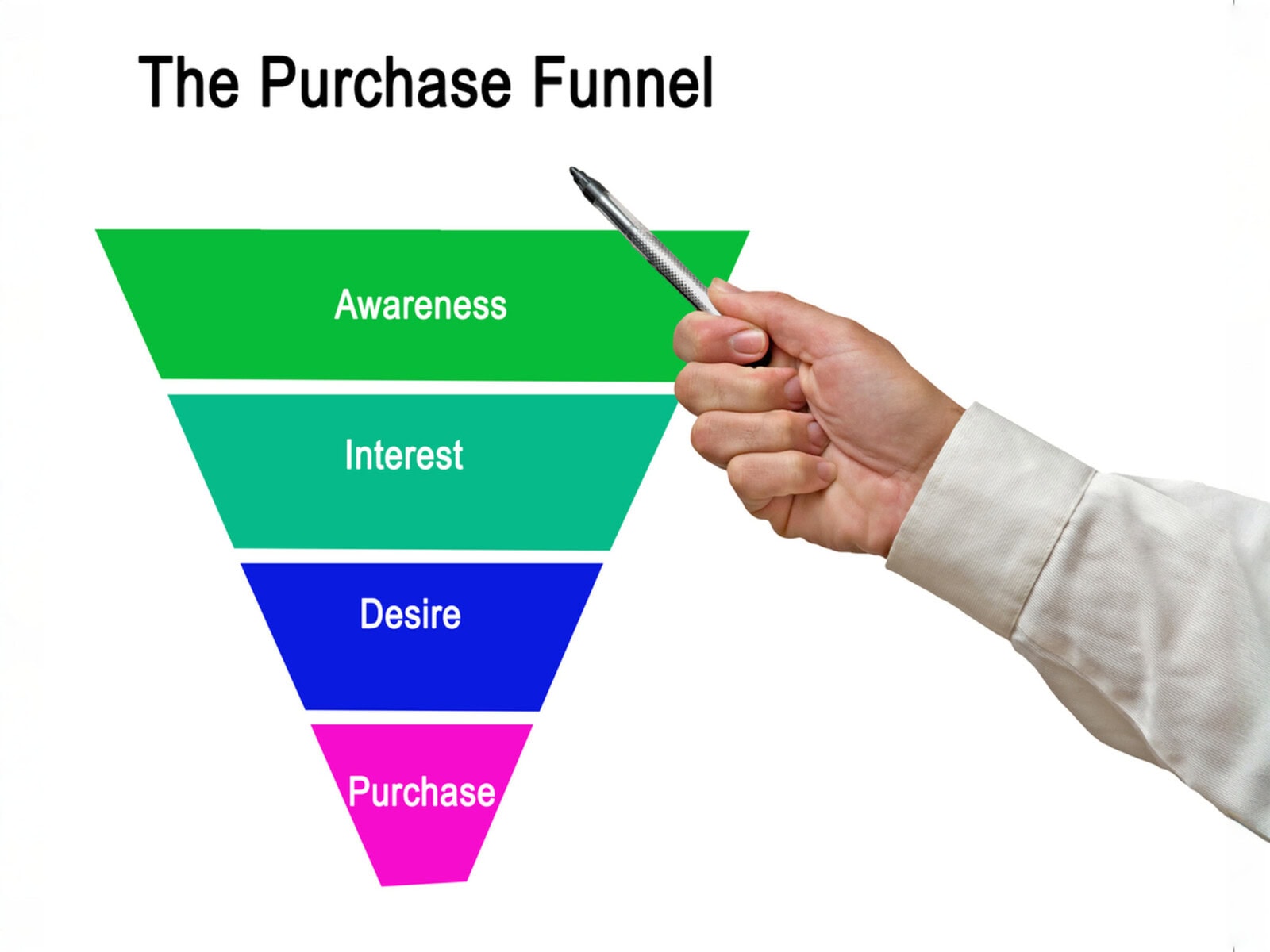
It has many uses across the whole sales funnel
Email advertising has many uses across the whole sales funnel, from the top to the bottom. At the top of the funnel, campaigns aim to create interest and attract new customers.
As customers move towards the bottom, strategies become more personalised, with the aim of turning prospects into buyers. Email plays a key role in engaging customers, especially returning customers, which is where its real strength lies.
It is easy to use and offers automation options
These email campaigns are easy to use and offer automation options, making them easy for beginners to get started with straight away. For e-commerce businesses in particular, abandoned cart automations are a crucial tool for recovering lost sales. With this feature built in, the platform lets you increase performance with no extra effort.
They also offer an automated series of emails once someone joins the list, so new contacts receive targeted information and promotions at different stages of their relationship with the business. This lets you keep customers engaged while saving time and energy.
You can even create campaigns for the whole year, as long as your products don’t change during that time. Finally, let’s not forget the emails that go to customers after a purchase or another action on your website or eshop.
Email Marketing for E-shops: The 6 Campaigns You Need
| Campaign | When it’s sent | Typical ROI |
|---|---|---|
| Welcome Series (3-5 emails) | Straight after subscribing / first order | 320% in 30 days |
| Abandoned Cart | 1h, 24h and 72h after abandonment | 10-15% recovery rate |
| Browse Abandonment | After a product page view with no purchase | 2-4% conversion |
| Post-Purchase | 3-7 days after purchase | Cross-sell, reviews |
| Win-Back | After 60-90 days of inactivity | Reactivation 5-10% |
| Loyalty / VIP | Regularly, for the top 10% of buyers | 3-5x average order value |
At Webmate we build these campaigns into WooCommerce/Shopify e-shops with Klaviyo or Brevo automation. See our digital marketing services.
Types of email marketing

There are different types of email you can use, such as the Newsletter, which keeps subscribers up to date with news and offers. Another category is Promotional Emails, which focus on specific offers. Transactional Emails are automated and cover things like purchase confirmations. Finally, Welcome Emails welcome new subscribers and help make a good first impression. Each type has its own strategy and goal.
Watch a video about my favourite, cart abandonment, which boosts your sales.
Newsletter – keeps your audience up to date with market news
A newsletter is an effective tool for keeping your audience up to date with market news. It offers important information on current trends and developments, helping readers stay informed.
With carefully chosen content, they receive useful news and analysis that build their knowledge and support their decision when it comes to taking action, such as making a purchase.
Marketing offer newsletter – the ultimate sales email
The marketing offer newsletter is the ultimate sales tool, offering a unique offer designed to boost purchases from bottom funnel customers. This type of email focuses mainly on returning customers, building loyalty and getting them to buy from your business again.
With personalised content and tempting offers, it delivers maximum results, building trust and increasing your business’s profits at minimal cost.
Automation emails – the ones that “nudge” users towards the bottom of the sales funnel
Automation emails are a powerful tool for moving users towards the bottom of the sales funnel. With strategic emails, such as a reminder about cart abandonment at checkout, businesses can remind users about the products they left behind and encourage them to complete their purchase.
In addition, review request emails give customers the chance to share their opinions, which builds trust and loyalty. A back in stock alert lets customers know when their favourite products are available again, creating a sense of exclusivity and urgency.
Finally, a personal approach through special emails for VIP customers, along with wishes for birthdays and name days, helps strengthen customer relationships by offering exclusive perks and discounts that increase loyalty and the chances of repeat purchases.
Transactional emails – the essential ones that must be sent automatically
Transactional emails are essential to how any modern business runs. These messages are sent automatically after a specific user action, such as a purchase or a sign-up. They are needed to keep customers informed about the status of their orders, to confirm bookings or to handle password changes.
Sending them automatically ensures fast, timely communication, reducing the cost and time the business spends on admin. They also offer a more personalised user experience, as they can be tailored to each customer’s needs. Finally, transactional emails build trust in the business, which makes them a crucial communication tool.
Welcome emails – welcoming new users and customers
Welcome emails are an essential way to welcome new users and customers to your business. These first messages make a positive first impression and also help your future communication be more effective.
Using welcome emails is a good way to get your next emails into the inbox and out of spam, as they improve the authority and credibility of your sending address.
Email Deliverability: SPF, DKIM and DMARC to Get Your Emails into the Inbox
According to a study by Validity (Sender Score 2024), 17% of email marketing campaigns end up in the spam folder and never reach the inbox. The main reason? Wrong or incomplete technical authentication records. Since 1 February 2024, Google and Yahoo have enforced stricter rules: if you send 5,000+ emails a day without SPF + DKIM + DMARC, your emails will be blocked.
What is SPF (Sender Policy Framework)?
A DNS TXT record that states which servers are allowed to send email for your domain. Example:
v=spf1 include:_spf.google.com include:sendgrid.net ~allWhat is DKIM (DomainKeys Identified Mail)?
A digital signature that proves the email was sent by you and hasn’t been altered. Your email platform (Mailchimp, Brevo etc.) provides it, and you add it as a DNS record.
What is DMARC (Domain-based Message Authentication)?
A policy that tells the receiving email server what to do if the SPF/DKIM checks fail: none (monitor only), quarantine (send to spam), reject (block it). Example:
v=DMARC1; p=quarantine; rua=mailto:dmarc@yourdomain.grHow to Check They Are Set Up Correctly
- MXToolbox.com (free) – checks your SPF, DKIM and DMARC records
- Mail-tester.com (free) – send an email and get a score from 0 to 10
- Google Postmaster Tools – domain reputation data from Gmail
Pro tip: Always send from a verified custom domain (e.g. newsletter@yourbrand.gr), never from Gmail/Yahoo accounts. Your emails will see 30-60% better deliverability.
Subject Lines: How to Write Subjects with a 40%+ Open Rate
47% of recipients decide whether to open an email based on the subject line alone (OptinMonster). The right subject line can change your open rate dramatically.
10 Subject Line Templates That Work
| Type | Example | When |
|---|---|---|
| Question | “Have you started your e-shop yet?” | Engagement, info products |
| Urgency | “24 hours left: 30% off everything” | Sales, promos |
| Personalization | “John, your order is ready” | Transactional, welcome |
| Curiosity | “The mistake 9 out of 10 business owners make” | Newsletter, content |
| Numbers | “7 tips for more sales” | Educational |
| Benefit | “Double your leads in 30 days” | Promotional |
| FOMO | “Last 5 places left on the webinar” | Events, scarcity |
| Social Proof | “500+ customers have already won this” | Testimonials, case studies |
| Direct | “New: Free Black Friday Guide” | Announcements |
| Emoji | “🎁 A gift for our loyal customers” | Promos, retail (seasonal only) |
A/B Testing: What to Test
- Subject line (the biggest impact)
- From name (“Webmate” vs “John from Webmate”)
- CTA button copy (“Buy Now” vs “See the Offer”)
- Send time (Tuesday 10am vs Thursday 3pm)
- Email length (short vs long-form)
Best practice: Test one variable at a time, with a sample of at least 1,000 recipients, to get statistically significant results.
What are the most popular email marketing platforms?
The most popular email marketing platforms and services cover a range of options, depending on each business’s needs. From Greece, Moosend has become popular for its ease of use and powerful features. The best known of all, meanwhile, is Mailchimp, an industry standard in email marketing thanks to its wide range of tools and ease of use.
In addition, MailerLite is a reliable option with a focus on simplicity, while Brevo (formerly Sendinblue) offers excellent value for money. The long-established ActiveCampaign is still a favourite for its automations and CRM features. Finally, Klaviyo is especially popular with e-commerce businesses for its personalisation features.
How do email marketing and inbound marketing work together to increase your business’s ROI?
Inbound Marketing focuses on attracting customers with quality content, while Email Marketing uses targeted campaigns to keep them engaged.
By combining the two, you can reach the right audience, build trust and ultimately achieve higher sales and efficiency. Think about building a newsletter list through your content and sending subscribers the content and services that interest them. You’ll see the results!
B2B email marketing: what you need to know
B2B marketing by email is a powerful tool for reaching business customers. It’s important to know the goal of your message and create clear, targeted content that meets the recipient’s needs.
Also, using personalised messages can make your communication more effective and increase response rates. In B2B, and especially online, email is the best digital marketing channel, as the prospect is clearly interested in your products and services.
AI in Email Marketing: How It Is Changing the Game in 2026
AI has completely changed email marketing in recent years. Here are 5 ways it’s used today:
- Subject Line Optimization: Tools such as Phrasee, Klaviyo AI and Mailchimp Intuit Assist suggest subject lines with A/B test predictions, raising open rates by 10-30%.
- Send Time Optimization: AI analyses each contact’s behaviour and sends the email at the best time for each recipient, instead of to everyone at once. Available in Klaviyo, Mailchimp and Brevo.
- Predictive Segmentation: AI predicts which contacts will buy, which will unsubscribe and which are “high-value”. Klaviyo’s Predicted Customer Lifetime Value is one example.
- Content Generation: ChatGPT, Claude and Jasper write email copy, subject lines and CTAs. Always have a human review it.
- Personalization at Scale: Dynamic content blocks that change automatically by persona, purchase history and behaviour.
Note: AI strengthens your strategy and can’t replace it. The fundamentals (a good list, a good offer, good timing) still apply.
Frequently asked questions
Email marketing is one of the most effective tools in digital marketing. Beyond promotion, it gives you a direct, personal and cost-effective way to stay in touch with your audience. From informative newsletters to automated messages and offers, every email can strengthen your customer relationships and grow your sales, as long as it is planned with a clear strategy and the right data.
How can I get started with email marketing?
To get started, the first step is to build a list of email addresses from customers or visitors who have given their consent. Next, you choose a sending platform (such as Mailchimp or Moosend), design your campaign and send your emails in bulk. Finally, you analyse the results (open rate, clicks, conversions) to improve your next sends.
What are the main benefits of email marketing for a business?
Email marketing is affordable, highly personalised and gives you full control over how you communicate with your audience. It allows direct targeting, has measurable results and works at every stage of the sales funnel, from attracting new customers to keeping loyal ones. For e-commerce businesses in particular, email automation can boost sales with minimal effort.
What is the best time and day to send emails?
The truth is that there is no single “magic” answer that works for everyone. What matters is that your prospect sees the email when it arrives, so it catches their attention. The best time and day to send emails depends largely on your target group and the industry you work in. There are options to resend if the user doesn’t open the email.
What is A/B testing in newsletter emails?
Simply put, A/B Testing (or Split Testing) in emails is a methodical process of experimentation used in email marketing to find out which version of an email performs best, leading to higher engagement (opens, clicks, purchases).
How many emails should I send a week?
We recommend 1-2 emails a week for B2C and 2-4 emails a month for B2B. More important than frequency is consistency + quality. A consistent weekly newsletter > sporadic emails. For e-shops, automation triggers (cart abandonment, post-purchase) are sent as often as needed per recipient.
What are SPF/DKIM/DMARC and are they mandatory?
They are the 3 technical authentication records that prove an email really comes from you. Since 1 February 2024, Google and Yahoo have required them for anyone sending 5,000+ emails a day, and without them emails get blocked. They are recommended even for smaller senders, for 30-60% better deliverability.
How much does email marketing cost for a small business?
Start for free: Mailchimp (500 contacts), Brevo (300 emails/day), MailerLite (1,000 contacts). Premium plans start from €9/month (Brevo, Moosend), €10/month (MailerLite), €13/month (Mailchimp). The total cost depends on the size of your list: 5,000 contacts ~€30-60/month, 25,000 contacts ~€150-300/month.



Leave a comment